

Stock-Market for beginners 2025
Understanding the Stock Market
The stock market is a place where people buy and sell small ownership shares of companies. These shares are called stocks. When you buy a stock, you become a tiny part-owner of that company.
For example, if you buy 10 shares of Infosys, you legally own a portion of the company. If Infosys earns more profit next year, its share price usually increases. That means your investment grows too. But if the company faces losses or slower growth, its stock price may drop.
This simple relationship between a company’s performance and its stock price is what drives the entire market. The stock market rewards business growth, not luck or guessing.
In 2025, almost everything happens digitally. Investors can open a trading account online, buy shares through mobile apps, and track performance instantly. The entry barrier is low — you don’t need a lot of money or advanced knowledge to start.
How the Stock Market Works in 2025
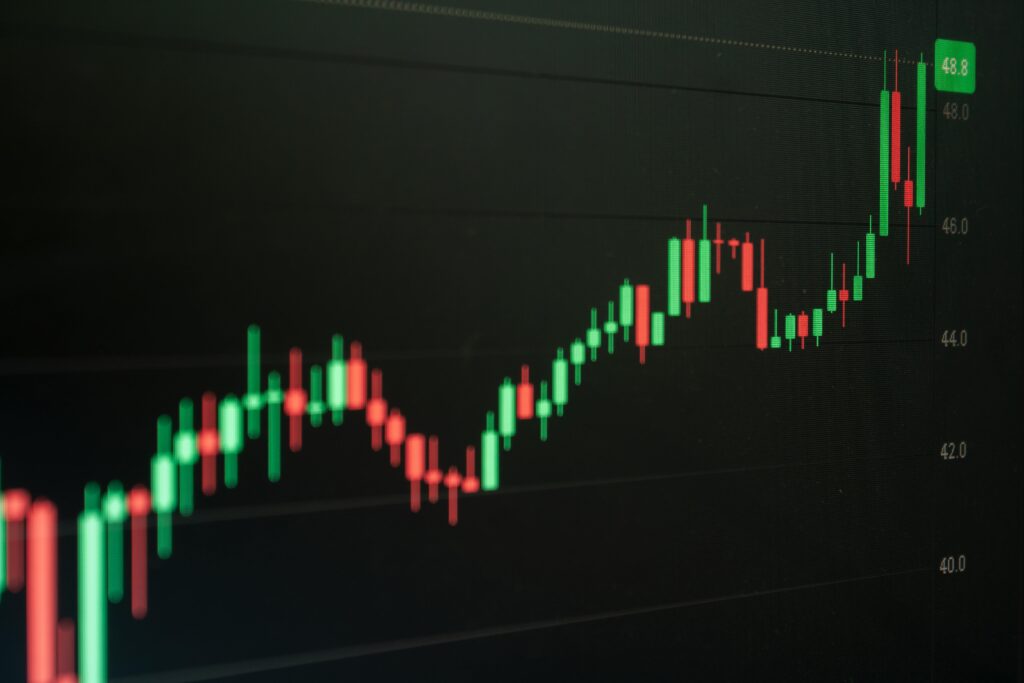
To understand how the stock market works, imagine a busy marketplace where prices change every second based on what people are willing to pay. In the same way, stock prices rise when more people want to buy, and they fall when more people want to sell.
This demand and supply are influenced by:
- A company’s quarterly results
- Economic news and government policies
- Global events like oil prices, interest rate changes, CPI results, Unemployment rate
- Investor mood or confidence
For example, if a company like Tata Motors reports record sales of electric vehicles, more investors start buying its stock. This pushes the price up. But if fuel prices rise sharply and affect production costs, demand may drop and prices can fall.
In 2025, trading platforms use real-time data, AI analysis, and mobile alerts to help investors react quickly. Information moves faster than ever, which means opportunities and risks both appear quickly.
Why the Stock Market Is Important for Everyone

Many people used to think the stock market was only for experts, but that idea is changing. Today, it’s seen as one of the most practical ways to grow wealth over time.
Let’s compare two situations:
1. ₹10,000 kept in a savings account at 4% interest becomes ₹12,000 after five years.
2. ₹10,000 invested in a stable stock like HDFC Bank, which has grown around 12–15% per year historically, could become ₹17,000–₹20,000 in the same time.
This difference shows how the stock market can help your money grow faster than traditional methods. Some companies also pay dividends — a part of their profit shared with shareholders.
ITC, for example, has consistently given dividends for years. So investors earn not only from price growth but also from steady income.
In short, the stock market matters because it connects regular people to the growth of the economy. When companies succeed, investors benefit too.
Stock Market Trends and Opportunities in 2025

Every year brings new changes in the market, and 2025 is no different. The biggest shift is how technology and sustainability are driving new investment ideas.
- Technology and AI:
Artificial intelligence, automation, and data-based companies are expanding fast. Firms in software, cloud computing, and digital services are attracting investors worldwide. - Renewable Energy:
Green energy, solar, and electric-vehicle companies are becoming the new favourites as governments push for cleaner power. - Financial Technology:
Fintech companies that make digital payments and online banking easier are gaining attention.
At the same time, investors must also notice global factors such as inflation, US interest rates, and oil prices — all of which affect market movements.
A real example: in 2023–2024, when US interest rates rose, many global investors pulled money from emerging markets like India. Stocks dropped temporarily, but recovered once confidence returned. That’s how global economics connects directly to the stock market.
The main lesson: the stock market is dynamic. What matters is not predicting the future but understanding the present — the companies, industries, and global forces that move prices.
The Real Meaning of Stock Market Investing
Investing in the stock market is not about getting rich overnight. It’s about understanding how businesses grow and being part of that growth.A realistic investor knows that prices go up and down.
For example, the NIFTY 50 index in India has seen many corrections in the past decade, but its long-term direction remains upward. That’s because the overall economy and major companies continue to expand.
Someone who invested ₹5,000 every month in a simple index fund since 2015 would have built a strong portfolio by 2025 — without timing the market or trading daily.
This is what long-term investing means: small, regular investments that grow with time.
Short-term trading may look exciting, but it’s unpredictable. Prices can move quickly based on news or rumours.Long-term investing focuses on actual company performance — products, profits, and demand.
In 2025, many new investors are learning this balance: use data, stay informed, and keep expectations realistic. The market rewards patience and knowledge, not emotion.
Key Takeaways About the Stock Market in 2025
- The stock market is an open platform where investors buy ownership in companies.
- Prices change based on business performance and investor demand.
- Technology, renewable energy, and fintech are strong themes in 2025.
- Long-term investing has proven more reliable than short-term trading.
- Knowledge, consistency, and realistic goals matter more than prediction.
Conclusion
The stock market is one of the clearest reflections of the economy. It shows which industries are growing and how people’s confidence changes with time.
For beginners in 2025, learning about the stock market means understanding how value is created in real life — through business growth, innovation, and discipline.
Anyone can start small, observe, and learn step by step. You don’t need to chase fast profits or time the market perfectly. What matters is staying informed, understanding what you own, and letting time do its work.
The stock market rewards those who treat it with patience and curiosity. It’s not about guessing tomorrow’s prices — it’s about believing in long-term growth and being part of it.